
Protecting a smile often begins with simple steps that prevent cavities before they even start. Many parents and children feel nervous about new procedures, but getting dental sealants in Mililani is a quick and completely painless way to keep teeth healthy. Because the process does not involve any drilling or needles, it is one of the most comfortable visits a person can have at a dental office.
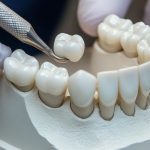
A sealant acts like a thin plastic shield that sits on the chewing surfaces of the back teeth. These back molars have deep grooves where food and bacteria often hide, making them hard to clean with just a toothbrush. By filling in these tiny pits, a dentist prevents sugar and acid from reaching the enamel and causing decay.
What Happens During the Procedure?
The process of applying a sealant is very straightforward and usually takes only a few minutes per tooth. Since the liquid material flows into the grooves of the tooth, there is no need to remove any natural tooth structure.
- Cleaning the Tooth: Each tooth gets a thorough cleaning to ensure no food or plaque is trapped under the plastic layer.
- Drying the Surface: The dentist uses cotton or a small air tool to keep the area dry so the material sticks properly.
- Applying the Liquid: A special gel is brushed onto the chewing surface to roughen the enamel slightly, followed by the liquid sealant.
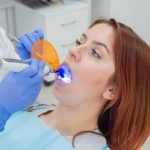
- Hardening the Shield: A blue curing light shines on the tooth for about thirty seconds to turn the liquid into a solid, durable coating.
Does Applying Sealants Cause Discomfort?
One major benefit of this treatment is that it is entirely non-invasive. When a patient visits a dentist near you, they will find that the application feels similar to having their teeth brushed or painted. There is no numbing required because the dentist is only working on the very outer surface of the enamel.
Some children might notice a slight “sour” taste from the cleaning gel, but this goes away immediately once the mouth is rinsed. After the blue light hardens the material, the tooth might feel a little “thick” when biting down for an hour or two. This feeling disappears quickly as the sealant settles into the deep grooves of the molar.
The Importance of Preventive Dental Care
Keeping a mouth healthy is much easier than fixing a tooth once a cavity has formed. Engaging in preventive dental care helps avoid the need for fillings, crowns, or more complex treatments later in life. Sealants are particularly effective for children and teenagers because their permanent molars are often the most likely to develop decay as they grow.
- Barrier Protection: The sealant keeps out 80% of cavities in the back teeth for the first few years after application.
- Easy Maintenance:Once the shield is in place, you brush and floss as normal to keep the rest of the tooth clean.
- Long-Lasting: While they are not permanent, many sealants stay strong for five to nine years before needing a touch-up.
How Much Do Dental Sealants Cost?
Many families look at the dental sealant cost as a way to save money on future health expenses. Compared to the price of a filling or a root canal, sealants are very affordable and are often fully covered by many insurance plans for children under a certain age.
Investing in a protective coating now means fewer appointments for repairs in the future. Because sealants help prevent the most common type of cavity found in kids, the return on investment is seen in a lifetime of stronger, natural teeth. A dentist can provide a specific estimate based on how many molars need protection.
Who Should Get Sealants?
While children get their first set of permanent molars around age six, teenagers and even some adults can benefit from this protection. Any tooth that has deep pits and does not already have a filling is a good candidate for a sealant.
- Children (Ages 6–12): This is the ideal time because the molars have just erupted and are free from decay.
- Teenagers: Maintaining the shield through the high-school years helps prevent cavities during a time when many teens consume more sugary snacks or drinks.
- Adults with Deep Grooves: If an adult has never had a cavity in a specific molar, but the grooves are very deep, a dentist might suggest a sealant to keep it that way.
A Fresh Start for Your Oral Health
Starting a defense against decay during childhood is a powerful way to ensure a future free from toothaches. While deep grooves in back teeth often trap unwanted bacteria, applying a protective layer creates a smooth surface that is much easier to keep clean. Our professionals at Hawaii Dental Clinic – Mililani are dedicated to using advanced care to help every patient maintain a healthy, functional, and happy smile for years to come.
Book your appointment today.
Frequently Asked Questions
Can a tooth with a small cavity still be sealed?
If a cavity is already present, the dentist must remove the decay and place a filling instead. Sealants are designed to prevent decay on healthy teeth, so applying them over an active cavity would trap the bacteria inside and allow the hole to grow larger.
What happens if a sealant falls off?
It is common for a sealant to chip or wear down after several years of heavy chewing. During a regular checkup, the dentist will inspect the coating. If it is missing or worn, they can clean the tooth and add a new layer of material in a few minutes.
Will my child be able to eat right after the appointment?
Yes, because the blue curing light hardens the material instantly, there is no waiting period. Your child can eat and drink as soon as they leave the office, although it is always good to stick to healthy, non-sticky foods.
Are there any chemicals in sealants that I should worry about?
Modern dental materials are tested thoroughly for safety. The amount of material used is very small, and it stays bonded to the tooth surface rather than being swallowed, making it a safe choice for children and adults alike.