
A root canal procedure typically takes between 30 and 90 minutes per appointment, depending on the location of the tooth and the complexity of the root system.
Most front teeth can be treated in under an hour because they only have one canal, while molars, which often have three or four canals, usually require a longer session or even a second visit to ensure the infection is completely cleared.
Undergoing Root Canal Therapy in Mililani is a highly effective way to stop an infection while keeping your natural tooth intact.
What is the Typical Timeline for the Appointment?
The duration of your visit is largely determined by which tooth is affected and how many “roots” need to be cleaned.
A dentist in Mililani will begin by numbing the area, which takes about 10 to 15 minutes, followed by the actual removal of the infected pulp.
As back teeth handle more chewing pressure and have more intricate pathways, the cleaning and shaping process for those teeth takes significantly more precision and time than for a simple front tooth.
How Can You Prepare for the Procedure?
Preparation for an endodontic treatment is similar to getting a standard filling, though the appointment is longer.
If you are feeling anxious, speaking with a dentist near you about sedation options can help you stay relaxed, although this may add a small amount of time to the start of your visit for the medication to take effect.
It is also helpful to have a light meal beforehand unless you are undergoing deep sedation, as your mouth will be numb for several hours after the work is finished.
What Factors Influence the Price of Treatment?
The financial investment for saving a tooth depends on the tooth’s position in the mouth and whether you need a general dentist or a specialist.
The Root Canal Cost is generally higher for molars because they require more time, specialized tools, and advanced imaging to navigate the complex root structures.
Most insurance plans categorize this as a “basic” or “major” restorative service, often covering 50% to 80% of the total fee.
Why is Cleaning the Infection So Important?
The primary goal of the procedure is to provide lasting Tooth Pain Relief by removing the bacteria that are attacking the nerve.
If the infection is severe or an abscess has formed, your provider may place a medicated filling inside the tooth and wait a week before sealing it permanently.
This “two-step” approach ensures that the environment is completely sterile, which drastically increases the success rate of the treatment and prevents the need for a future extraction.
What Happens During the Final Restoration Phase?
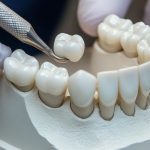
After the internal canals are sealed, the tooth is often weakened and needs a permanent crown to restore its full strength. This follow-up appointment is much shorter, usually taking about 30 to 45 minutes to bond the final restoration in place.
Protecting the tooth with a crown is the final “helmet” that prevents the brittle tooth structure from cracking under the pressure of your daily bite.
Saving Your Natural Smile for the Future
Choosing a root canal is an investment in the longevity of your natural smile. While it may seem like a long appointment, those 90 minutes can save you from a lifetime of dealing with missing teeth or more expensive implants.
By removing the source of the infection and reinforcing the tooth structure, you can return to eating and smiling with complete confidence.
At Hawaii Dental Clinic – Mililani, we prioritize your comfort and use the latest technology to make your treatment as efficient as possible.
Our team understands that dental anxiety is real, and we are here to provide a gentle, supportive environment for every patient.
If you are experiencing persistent tooth pain or have been told you need a restoration, we invite you to contact us today to schedule your consultation and get back on the path to health.
FAQs
Is a root canal more painful than a filling?
With modern local anesthesia, the experience is very similar to getting a cavity filled; you will feel pressure but should not feel any sharp pain.
Can I drive myself home after the appointment?
Yes, if you only receive local numbing. If you choose oral or IV sedation, you will need a designated driver to take you home safely.
How long does the numbness last?
The local anesthetic usually wears off within 2 to 4 hours, at which point you may feel some mild tenderness in the jaw.
What if I skip the crown after the root canal?
Without a crown, a root-canaled tooth is much more likely to fracture or break, which could eventually lead to losing the tooth entirely.