
Taking care of your mouth is about more than just brushing at home every morning and night. While daily habits are essential, getting professional dental cleanings in Mililani ensures hard-to-reach areas stay free of harmful germs. Most people are told to visit the dentist twice a year, but some smiles need a little more help to stay healthy. A healthy mouth helps your whole body stay strong, which is why regular checkups are essential for everyone.
Germs in the mouth form a sticky layer called plaque that can eventually harden into tartar. Only a professional using special tools can remove tartar once it has formed on the enamel. If left alone, that buildup can lead to swollen gums or even small holes in the teeth.
What Exactly is the 3-3-3 Rule?
The 3-3-3 Rule is a simple way to remember how to balance home care with professional help. It focuses on three main habits: brushing three times a day, flossing three times a day (or at least being very thorough), and visiting the dental office for a checkup every three to six months. While many patients do well with visits every six months, people with certain health conditions may need to see a dentist near you more frequently to prevent gum disease.
- Brushing: Doing a quick clean after breakfast, lunch, and dinner keeps food from sitting on the teeth.
- Flossing: Removing debris from between the teeth prevents cavities from forming where a toothbrush cannot reach.
- Professional Visits:A deep clean removes the buildup that a regular toothbrush cannot budge.
Why Do Some People Need More Frequent Visits?
Every mouth is unique, and different factors can change how often a person needs to sit in the dental chair. If a patient has a history of gum trouble, a regular dental cleaning might be scheduled every 3 or 4 months instead of every 6 months. This closer monitoring prevents the bone that holds the teeth in place from getting damaged by long-term infection.
- Braces: Wires and brackets trap a lot of food, so extra help is often needed to keep the enamel clean.
- Dry Mouth: Saliva helps wash away germs, so if the mouth is dry, cavities can form much faster.
- Health Conditions: People with diabetes or other illnesses may experience increased gum inflammation.
Finding a reliable dentist allows you to create a personalized plan that fits your specific needs. They can assess your gum health and determine whether you are a candidate for the standard six-month schedule or would benefit from more frequent visits.
Understanding the Value of Regular Care
Some families worry about the dental cleaning cost when they consider visiting the office more than twice a year. However, preventing a problem is almost always much more affordable than fixing a tooth that has already broken or become infected. A simple cleaning is a small investment that helps prevent the need for complex procedures like root canals or crowns later in life.
Most insurance plans cover most of the cost of a periodic dental cleaning because they know it saves money in the long run. Even without insurance, many offices offer payment plans to help families manage the expenses. Keeping the teeth clean today means avoiding the high price of emergency dental work in the future.
What Happens During a Professional Cleaning?
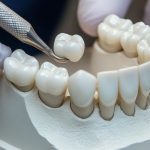
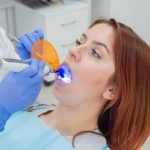
A dental visit is a simple process made to keep you comfortable. The dental team uses a small mirror to check every corner of your mouth for any signs of trouble. During dental cleanings, the professional carefully scrapes away any tartar (hard buildup) that has gathered near your gums.
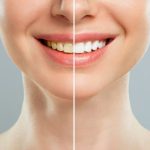
After cleaning, your teeth are polished with a special gritty paste that removes surface stains. This polishing step leaves your teeth feeling very smooth and looking bright. Finally, a fluoride treatment might be applied to act like a shield, making the outer layer of your teeth even stronger against acid and germs.
How to Stay on Track at Home
The work done at the dental office is only half of the battle. Maintaining the results of a routine dental cleaning requires a commitment to good habits every single day. Using a soft-bristled brush and fluoride toothpaste is the most effective way to protect the mouth between visits.
- Set a Timer: Brush for at least two full minutes to ensure every surface is clean.
- Drink Water: Swishing water after eating helps neutralize acids and remove sugar.
- Check Your Gums:If you notice redness or bleeding, schedule an extra visit.
Achieve a Healthier Smile Today
Taking control of your oral health is one of the most intelligent decisions you can make for your future. Whether you follow the 3-3-3 rule or a different schedule suggested by a professional, staying consistent is the key to success. Our team is dedicated to providing gentle and thorough care to help every patient feel proud of their smile. A clean mouth leads to more confidence and a much happier life.
Contact Hawaii Dental Clinic Mililani today to schedule your next visit and keep your smile in top shape!
Frequently Asked Questions
Does a professional cleaning hurt?
Most people find the process to be very comfortable. If your gums are a little sensitive, the dental team can be extra gentle to make sure you feel relaxed. Regular visits actually make the process easier because there is less buildup to remove each time.
How long does a typical appointment last?
A standard dental cleaning visit usually takes about 45 minutes to an hour.
Is the Dental Cleaning Cost worth it for kids?
Yes, children need cleanings just as much as adults. Baby teeth play a huge role in helping adult teeth grow in straight, so keeping them healthy is a critical task for every parent.
Can I eat right after my cleaning?
If you received a fluoride treatment, wait 30 minutes before eating or drinking. Otherwise, you can go back to your routine immediately after leaving the office.