
Finding a cavity during a routine checkup can feel overwhelming, but modern technology makes the repair process very simple. When it comes to dental fillings in Mililani, patients have several options that prioritize both health and appearance. Understanding how each material works helps you choose one that fits your lifestyle and budget. A filling is designed to replace a portion of a tooth lost to decay, ensuring the remaining structure stays strong and functional for years to come.
Exploring Common Tooth Filling Options
Materials used to fix cavities have changed significantly over the last few decades. While silver was once the only option, a dentist now offers a variety of tooth filling options that can blend with your natural enamel. Each material has unique properties that make it suitable for different parts of the mouth.
- Composite Resin: This mixture of plastic and glass is popular because its color can be matched precisely to your natural tooth color. It bonds directly to the enamel, often requiring less drilling.
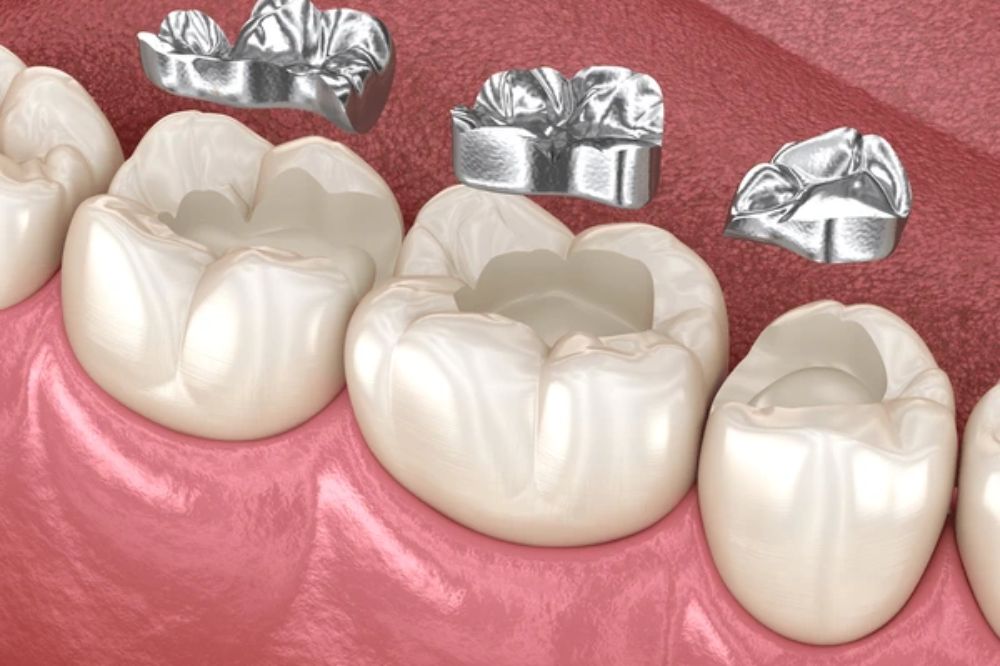
- Amalgam (Silver): This blend of metals is incredibly durable and has been used by dentists for over a century. It works exceptionally well for large cavities in the back molars where chewing pressure is the highest.
- Gold Inlays: While more expensive, gold is exceptionally long-lasting and does not corrode. It is very gentle on the opposing teeth during chewing.
- Porcelain (Ceramic): These are often made in a lab and are highly resistant to staining. They provide a very natural look and are nearly as strong as natural enamel.
- Glass Ionomer: This material releases fluoride, which helps protect the tooth from further decay. A dentist often chooses this for children or for fillings below the gum line.
Dental Filling Cost Factors
The price of dental repair varies from person to person. Several dental filling cost factors influence the final amount you might pay at the office. The most obvious factor is the material itself: gold and porcelain cost more than silver or composite materials.
Other elements that change the price include:
- Size of the Cavity: A small spot on the surface is faster to fix than a deep hole that reaches multiple sides of the tooth.
- Location: The very back teeth are harder to reach and require more time and precision.
- Technology Used: Some offices use digital scanners and 3D printing to create custom porcelain pieces, which can change the total investment.
- Insurance Coverage: The majority of plans cover a sizable portion of repairs to composite or silver, but they might not cover as much for high-end materials like gold.
Smart Decisions for Stronger Teeth
Picking the right filling material is about more than cost. For example, if you have a cavity on a front tooth, a dentist near you may suggest composite resin because it blends in naturally and stays invisible when you smile or talk. However, if a cavity is on a hidden back tooth, strength might be more important than color.
A professional will evaluate your bite and the health of your gums before suggesting a specific course of action.
The Procedure: What To Expect
Many students and adults feel nervous about the actual appointment, but the process is very routine. Once the area is numb, the decayed portion of the tooth is removed. After the tooth is clean and dry, the material is placed and shaped.
For composite fillings, a special blue light hardens the resin in seconds. The final step involves polishing the surface so it feels smooth to your tongue and doesn’t interfere with your bite.
How To Protect Your New Filling
Once a tooth is repaired, maintaining the work is essential for long-term success. Even though the material cannot fill a cavity, the natural tooth around the edges still can.
- Brush twice daily to prevent plaque from building up at the border of the filling.
- Floss every night to remove food particles that get trapped in tight spaces.
- Drink plenty of water to wash away acids after eating sugary snacks.
- Avoid biting hard candy or ice, as extreme pressure can cause any material to chip or crack over time.
Partnering With Local Experts
Choosing a team that understands your unique needs makes the dental experience much more comfortable. At Hawaii Dental Clinic Mililani, our staff focuses on providing clear information so every patient feels confident in their treatment plan. Whether you need a simple repair or a more complex restoration, the goal is to keep your smile healthy and your bite strong.
Book your appointment today.
Frequently Asked Questions
How long do these tooth-filling options usually last?
Silver and gold fillings often last 15 years or more, while composite resin typically lasts 7 to 10 years. Regular checkups at Hawaii Dental Clinic Mililani, allow a dentist to monitor the edges for any signs of wear or leakage.
Which factors should I consider when choosing a dental filling before my appointment?
Consider the size of the repair, the material you prefer, and your insurance benefits. A dentist will provide a detailed estimate after an exam so you know exactly what to expect before the work begins.
Is getting dental fillings painful?
Modern numbing medicine ensures you do not feel pain during the procedure. Most patients feel only slight pressure while the professional works. Any mild sensitivity afterward usually disappears within a few days.
Can a dentist replace old silver fillings with tooth-colored ones?
Yes, many people choose to replace dark metal with natural-looking composite or porcelain. If an old filling is starting to crack or pull away from the tooth, it is a great time to upgrade to a more modern material.