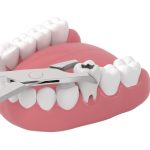
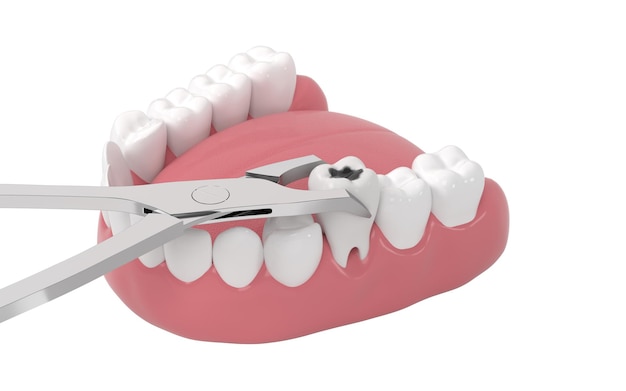
Having a tooth removed is a common dental procedure, but it is normal to have questions about the recovery process. Knowing how to care for your mouth after your appointment can help support your healing and make the days following the procedure much more comfortable. If your dentist recommends this treatment, understanding the recovery steps helps you prepare in advance. Our team provides detailed instructions for patients receiving tooth extractions in Mililani so that you know exactly what to look for as your body heals.
The First 24 Hours: Protecting the Healing Area
The first day after your procedure is important for healing. During this time, your body starts forming a blood clot in the space where the tooth was removed. The blood clot acts as protection for the nerves and bones below the extraction site.
Here is what you should focus on during the first 24 hours:
- Keep pressure on the gauze: Your dentist will place a gauze pad over the site. Bite down gently but firmly for at least 30 to 45 minutes to help stop the bleeding.
- Avoid using straws: The suction created when drinking through a straw can dislodge a blood clot, which may lead to a painful condition called dry socket.
- Do not rinse or spit forcefully: Instead of spitting out excess saliva or liquid, let it drain from your mouth naturally or wipe it gently with a tissue.
- Rest quietly: Keep your head slightly elevated using pillows. Avoid heavy activity, as increased blood flow can restart bleeding.
If you ever experience unexpected bleeding or severe discomfort during this initial phase, contacting a dental clinic near you can give you peace of mind and ensure your recovery stays on track.
Managing Comfort and Swelling
It is entirely normal to feel some mild discomfort and notice minor swelling after your anesthesia wears off. Swelling is a natural part of your body’s healing response and usually peaks around two to three days after the procedure.
To manage this, you can use a cold compress or an ice pack wrapped in a cloth. Place it on the outside of your cheek near the treated area for 15 to 20 minutes at a time. This can help reduce swelling and ease minor pain. Your dentist may also suggest over-the-counter pain relievers or prescribe specific medications. Be sure to take any medication exactly as directed by your dental provider.
Diet Adjustments During Recovery
Eating the right foods keeps your body strong enough to heal while preventing damage to the extraction site. For the first few days, focus on soft foods that require minimal chewing.
Good dietary options include:
- Yogurt and pudding
- Applesauce
- Smooth soups (ensure they are lukewarm, not hot)
- Mashed potatoes or avocados
- Oatmeal
As your comfort level improves over the week, you can slowly reintroduce solid foods into your diet. However, you should try to chew your food on the opposite side of your mouth from where the tooth was removed. Avoid crunchy, sharp, or highly spicy foods until the gum tissue has fully closed over the socket.
Maintaining Oral Hygiene Safely
Keeping your mouth clean is necessary to prevent irritation, but you must be careful not to disturb the healing socket.
On the night of your procedure, you can brush and floss your other teeth normally. However, you must avoid brushing the teeth immediately around the extraction site. After the first 24 hours, you can gently rinse your mouth with warm salt water a few times a day, especially after eating. To do this, mix half a teaspoon of salt into a glass of warm water. Let the water gently wash over the area, then lean over the sink and let it run out of your mouth without spitting.
When to Contact a Healthcare Professional
Contact your dental provider if you notice any of the following symptoms:
- Severe or worsening pain that is not relieved by your medication
- Heavy bleeding that does not slow down after applying steady pressure with gauze
- A fever, chills, or unexpected swelling that grows worse after the third day
- A foul taste or a persistent bad odor coming from the extraction site
Your Consultation for Tooth Extractions
Every patient heals at a slightly different pace depending on their overall health and the complexity of the extraction. If you notice signs that you might need a tooth removed due to deep decay, crowding, or severe damage, speaking with a professional is the first step. Finding care at a trusted dental clinic in Mililani ensures that you receive a personalized assessment and a detailed aftercare plan tailored to your specific health needs.
Plan Your Dental Appointment
If you need an evaluation or have questions about an upcoming oral surgery, our team can help you understand what to expect when it comes to tooth extractions near you and guide you through each step of the process.
Call Hawaii Dental Clinic today to discuss your oral health needs.
Frequently Asked Questions
-
How long does healing take after a tooth extraction?
Most people start feeling better within one to two weeks. Complete healing of the gums can take a bit longer, depending on the complexity of the extraction.
-
Can I eat normally after a tooth extraction?
You should begin with soft foods first. As your mouth feels better, you can gradually return to your regular diet.
-
Is swelling normal after the procedure?
Yes, mild swelling is common. It usually improves within a few days.
-
When can I brush my teeth again?
You can brush your teeth on the same day. Just avoid the area where the tooth was removed for the first 24 hours.